
Learn Wine Basics by Comparison
Open two different wines at once, like Sauvignon Blanc and Chardonnay. Contrast teaches more than one glass.

Understand Wine. Enjoy Every Glass.
Wine confidence, delivered simply
Wine is easier than it looks. Start with a few core ideas, taste with purpose, and you will soon know what you like, what to pair, and what to buy.
Start Learning
At its heart, wine is grape juice that yeast has turned into alcohol. The yeast eats the natural sugar in ripe grapes and leaves behind alcohol, carbon dioxide, and hundreds of aroma compounds. Red wine gets its color from soaking the juice with dark grape skins; white wine is usually pressed off the skins right away. You can follow every stage in how wine is made. Once a wine is in your glass, five traits explain most of what you taste. Sweetness is leftover sugar. Acidity makes your mouth water and keeps wine fresh. Tannin is the drying grip in red wine, from skins and seeds. Alcohol adds warmth and weight. Body is how heavy the wine feels, from skim milk to cream. Learn to spot these five and any wine starts to make sense. Our wine basics hub walks through each one with simple tasting exercises.
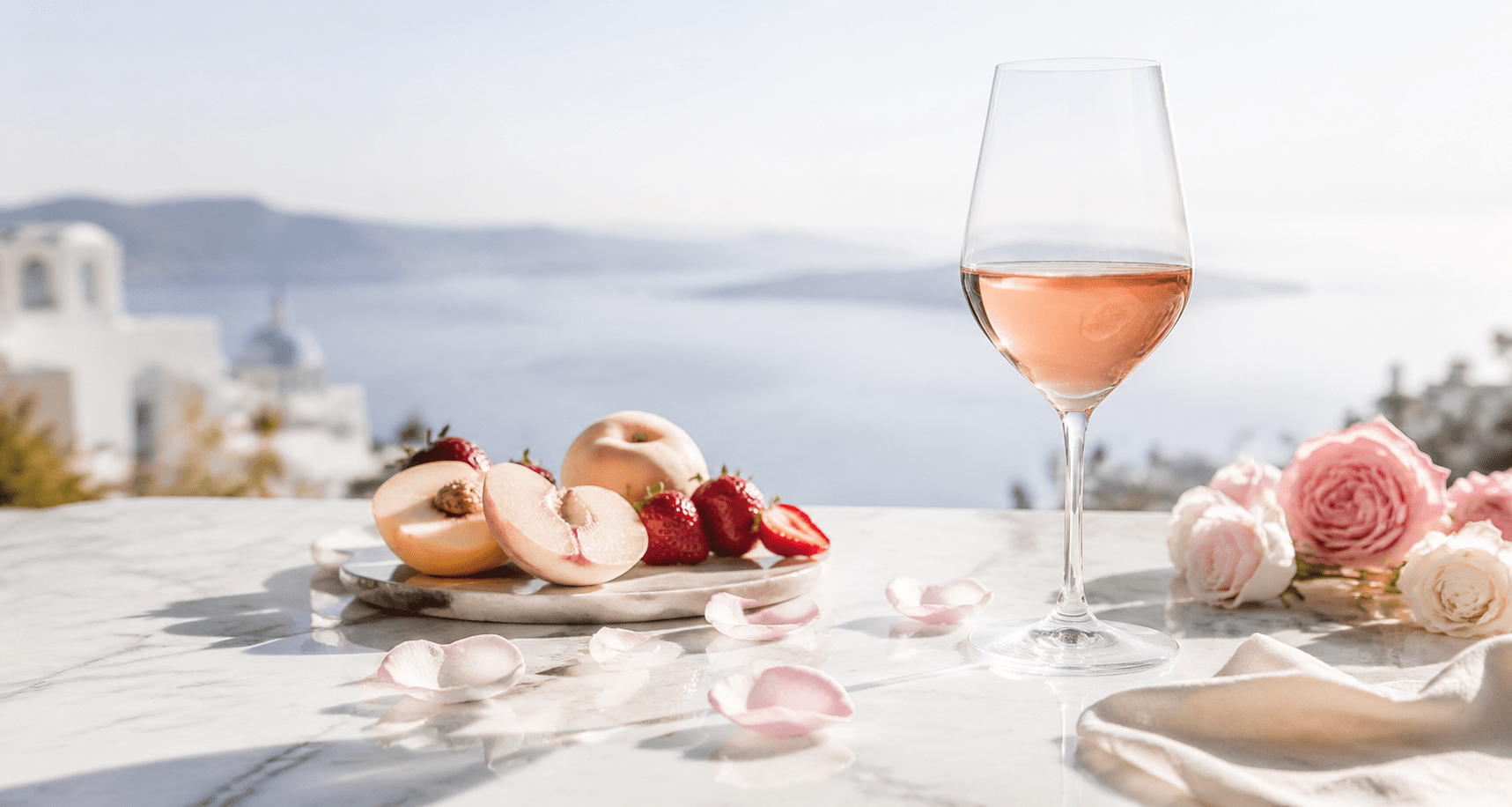
Nearly every bottle fits one of six families. Red wine ranges from light, juicy Pinot Noir to bold, tannic Cabernet Sauvignon, and it usually tastes of red or dark fruit. White wine runs from zesty and citrusy, like Sauvignon Blanc, to round and buttery, like oaked Chardonnay. Rosé is made from red grapes with only a few hours of skin contact, so it tastes like strawberries and watermelon with white-wine freshness. Sparkling wine traps carbon dioxide in the bottle; Champagne, Prosecco, and Cava are the best-known styles. Dessert wines keep a lot of natural sugar, and fortified wines such as Port and Sherry have extra spirit added for strength. A newer favorite, orange wine, is white wine made like a red, with time on the skins for color and grip. See every family side by side in our wine types overview.
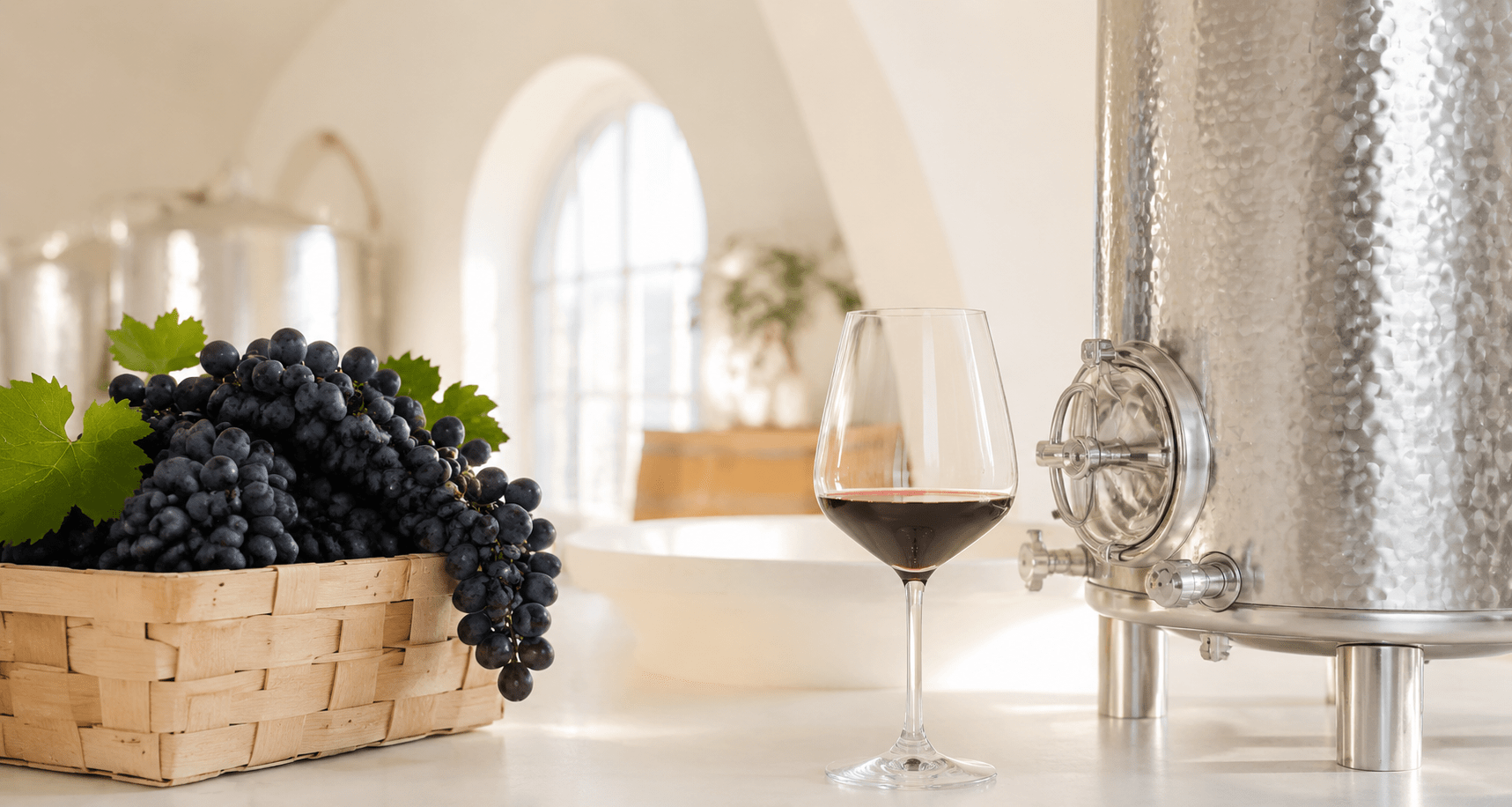
You do not need to know hundreds of grapes. Six classics teach you most of what wine can do. Cabernet Sauvignon is full-bodied, with blackcurrant flavor and firm tannin. Pinot Noir is light and silky, with cherry and earthy notes. Syrah brings blackberry, smoke, and black pepper. On the white side, Chardonnay can be crisp and appley when unoaked or rich and vanilla-scented when aged in oak barrels. Sauvignon Blanc is tangy, with lime, grapefruit, and fresh-cut grass. Riesling smells of peach and lime and ranges from bone-dry to lusciously sweet, which makes it a great lesson in sweetness. Taste one red and one white each week, and in a month and a half you will have a real map of your own palate. Browse all of them in our grape varieties library.
Tasting is just paying attention. Pour a small amount and look at the color: deeper reds often mean riper grapes or a thicker-skinned variety. Swirl to release aroma, then smell before you sip, since most of what we call flavor is actually smell. Take a sip, let it coat your mouth, and notice the five traits: is it sweet or dry, tart or soft, grippy or smooth, light or heavy, warm or cool? Finally, note how long the flavor lingers. Our step-by-step lesson on how to taste wine covers each stage. The fastest way to learn is comparison, so try a wine tasting at home with two or three bottles side by side. Jot three words per wine; our tips on writing tasting notes help, and the wine terminology glossary decodes words like “crisp” and “jammy.” Not sure where to begin? Take the wine quiz for a personal starting point.
Good wine pairings follow a few easy rules. First, match weight: light dishes like grilled fish suit light wines, and rich dishes like braised beef suit fuller ones. Second, tannin loves fat and protein, which is why Cabernet tastes so smooth with a ribeye; see our wine with steak guide by cut. Third, acid loves acid and fat. A crisp white cuts through creamy sauces, and tomato-based dishes like pizza need a red with bright acidity, such as Chianti or Barbera. Fourth, the wine should be at least as sweet as the dessert, or it will taste sour. Heat changes the rules too: chili spice makes alcohol and tannin feel harsher, so for spicy food reach for an off-dry Riesling or a fruity, low-tannin red. Fatty fish like salmon bridges both worlds and pairs with Pinot Noir or rich Chardonnay. For an easy party, a wine and cheese board lets everyone test these rules at once.
A great bottle starts on the shelf. Learn how to read a wine label: New World bottles usually name the grape, while European bottles often name the place, so Sancerre means Sauvignon Blanc and red Burgundy means Pinot Noir. Plenty of delicious wine costs under $20, and our best wine for beginners picks are a smart first shopping list. Serving well costs nothing: chill whites to 45–50°F and serve reds slightly cool at 60–65°F, as explained in our wine serving temperature chart. Store unopened bottles somewhere cool, dark, and steady, never on top of the fridge; how to store wine explains why. When you are ready to travel by glass, explore the wine regions of the world, from Bordeaux to Napa Valley, and use our wine comparisons to settle questions like Cabernet versus Merlot. Read about Learn Wine Basics to see how the guides are written and what the site does and does not do. For shopping help, browse all of our wine buying guides.
| Your Question | Start Here | What You Will Learn |
|---|---|---|
| How does wine actually work? | Wine Basics | How grapes become wine and the five traits that shape taste |
| Which wines will I like? | Wine Types and Grape Varieties | Flavor profiles of the classic reds, whites, rosés, and sparklers |
| What should I pour with dinner? | Wine Pairings | Proven matches for steak, seafood, pasta, spicy food, and dessert |
| How are two wines different? | Wine Comparisons | Side-by-side breakdowns such as Pinot Noir vs Cabernet Sauvignon |
| Where does a style come from? | Wine Regions | Climate, signature grapes, and the first bottle to try from each place |
| What should I buy? | Buying Guides | Budget picks, gift ideas, and how to shop without guessing |
Open two different wines at once, like Sauvignon Blanc and Chardonnay. Contrast teaches more than one glass.
Aim for about 45°F for whites and 60 to 65°F for reds. Warm wine tastes flabby and boozy.
Note three words about each wine you try, plus whether you would buy it again.
Choose Your Path
Begin with a foundational lesson, discover a grape, or choose the question closest to the glass in front of you.

To taste wine, follow the five S's: see the color against a white background, swirl to release aromas, sniff deeply and name one or two smells, sip and let the wine coat your mouth, then savor the finish. As you sip, judge sweetness, acidity, tannin, alcohol, and body. Taste in a quiet, odor-free room with a clean glass.
Start Learning →
To start with wine for beginners, taste a few classic, affordable styles side by side: a crisp Sauvignon Blanc, an oaked Chardonnay, a dry rosé, a Pinot Noir, and a Cabernet Sauvignon. For each, notice sweetness, acidity, tannin, and body, and jot down what you liked. Within a few weeks, you will know which styles to buy and order.
Start Learning →
Cabernet Sauvignon wine tastes of blackcurrant, black cherry, and plum, with notes of cedar, tobacco, mint, and green bell pepper. It is full-bodied, with firm tannins and fresh acidity. Oak aging often adds vanilla and toast. Serve it at 60–65°F, decant young bottles, and pair it with steak, lamb, or aged hard cheese.
Start Learning →
Pinot Noir wine tastes of red cherry, raspberry, and strawberry, with earthy notes of mushroom, forest floor, and baking spice. It is light- to medium-bodied with high acidity and soft, fine tannins. Top regions include Burgundy, Oregon's Willamette Valley, California's Sonoma Coast, and New Zealand. Serve it at 55–60°F with salmon, duck, mushrooms, or roast chicken.
Start Learning →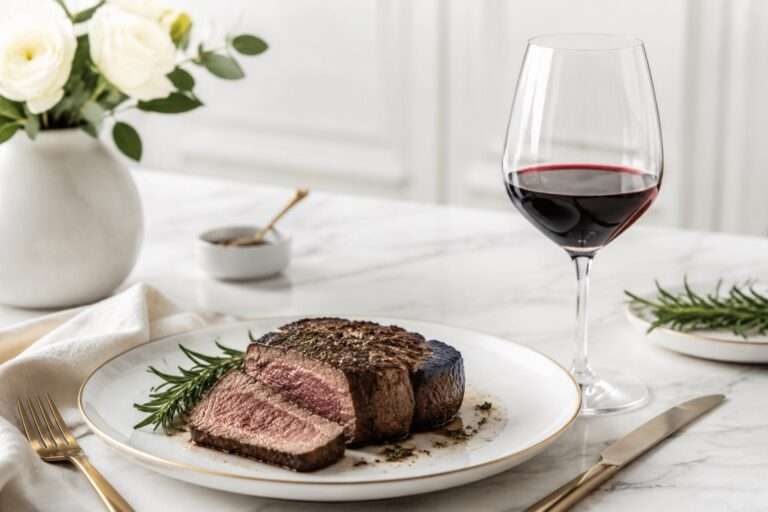
The best wine with steak is a full-bodied red with firm tannins: Cabernet Sauvignon, Malbec, or Syrah. Tannin binds with the meat's fat and protein, so the wine tastes smoother and the steak tastes juicier. Match weight to the cut — big reds for marbled ribeye, silkier Pinot Noir for lean filet mignon.
Start Learning →
The biggest difference is tannin. Cabernet Sauvignon has thick skins, so it tastes firmer and more structured, with blackcurrant, cedar, and a drying grip. Merlot is rounder and softer, with plum, black cherry, and chocolate notes. Choose Cabernet for marbled steak or long cellaring; choose Merlot for smooth, easy drinking with roast chicken, pork, or pasta.
Start Learning →
Red wine is made by fermenting dark-skinned grapes with their skins, which add color, tannin, and flavor. Styles run from light (Pinot Noir, Gamay) to medium (Merlot, Sangiovese) to full-bodied (Cabernet Sauvignon, Syrah, Malbec). Serve most reds at 60–65°F, and match lighter reds to lighter food and bold reds to rich, fatty dishes.
Start Learning →
Napa Valley wine is best known for Cabernet Sauvignon: ripe, full-bodied reds with blackcurrant, black cherry, cocoa, and toasty oak. Warm, sunny days and cool foggy nights let grapes ripen fully while keeping freshness. Napa also makes rich Chardonnay, especially in cooler Carneros, plus Merlot, Sauvignon Blanc, and Bordeaux-style red blends.
Start Learning →Learn Your Taste
Answer a few simple questions and discover styles that fit your palate.
Take the Wine QuizWine is fermented grape juice that comes in five main styles: red, white, rosé, sparkling, and dessert. Every wine can be described by sweetness, acidity, tannin, alcohol, and body. Knowing those traits and a few classic grapes covers the essentials.
Start with smooth, fruit-forward styles. Pinot Noir and Merlot are gentle reds, while Sauvignon Blanc and off-dry Riesling are friendly whites. Prosecco and dry rosé are also easy to enjoy and rarely expensive.
Dry means the wine has little or no leftover sugar, because yeast fermented nearly all of it into alcohol. A dry wine can still taste fruity; fruitiness comes from aroma, not sugar. Most red wines and many whites are dry.
No. Many classic styles, such as Chilean Cabernet Sauvignon, Spanish Garnacha, Portuguese Vinho Verde, and Côtes du Rhône, are widely available for under $20 and show their grape and region clearly.
Taste wines side by side and notice which traits you enjoy: crisp or creamy, light or bold, dry or sweet. Your food and drink habits help too. If you love black coffee and dark chocolate, bold reds may suit you.
Not quite. Modern rooms are warmer than the old cellar-based rule assumed. Most reds taste best at 60 to 65°F, so 15 minutes in the refrigerator before serving usually improves a bottle that has been sitting out.